
Week 9 · around 8 to 9 weeks · minutes, not marathons
You can start real training now, in the same room where the puppy eats and naps. No yard, no class, no long attention span needed. Just reward what you like, and make sure nobody in the house undoes it with scolding an hour later.
The idea is simple. A puppy repeats what works. They look when you say their name, they get your happy voice and a tiny treat. They chew the right thing, they get a scratch. The things you don’t want, you manage. Close a door. Trade a slipper for a toy. Get them to the potty spot before the accident.
The goal isn’t a puppy who does tricks on cue. It’s a calm, confident, polite dog you can take anywhere and trust. That starts here, with the two of you working together.
Five things to start
Name. Say it once, in a friendly voice, when they’re likely to look. When their eyes find you, say “yes” and give a tiny piece of their usual food. Don’t repeat the name five times while they ignore you. If they don’t look, crouch down or make a kissy sound, then try again. Use the name for good things only. If you need them for something they won’t like, just go and get them kindly.
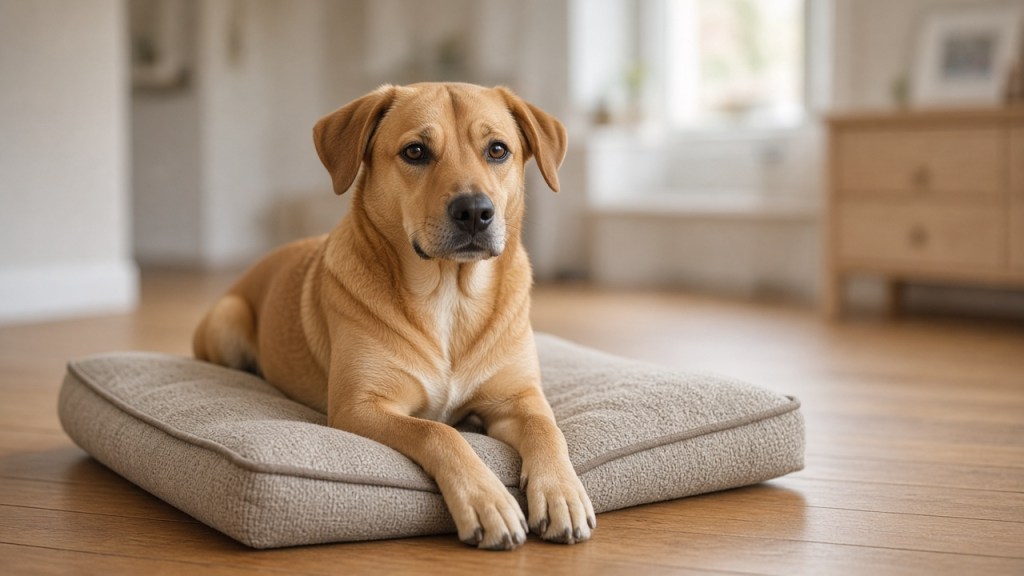
Settle. The dog bed becomes the place where calm pays. Drop a treat on it. When they step on, say “yes” and give another. Feed a couple while they stay, then say “okay” and let them go. Later, wait for them to lie down, and feed low. Only a few reps at a time. Potty and play first, then the dog bed. A puppy who can settle while you answer the door is learning something they’ll use for life.
Potty spot. Take them to the same spot after waking, after play, after meals, and before sleep. Don’t wait for them to ask. When they go, praise like it’s the best thing all morning. If you find a puddle later, clean it and say nothing. They won’t connect your frustration to something that already happened. Accidents usually mean the gap was too long or nobody was watching. Shorten the gap. Rain doesn’t cancel the trip. Grab an umbrella and go, or use the indoor tray you already picked.
Chew. Chewing is a need, not bad behavior. Keep two or three safe chews within reach. When the puppy mouths your hand, the rug, or a slipper, pause, then hand them a chew and praise it. Don’t hold the mouth shut and don’t yell. A puppy who’s scared of hands doesn’t get gentler, just faster. Week 12 goes deeper on this.
Leash and collar. The leash should mean good things are coming. Let them sniff the collar and leash on the floor with a treat nearby. Put the collar on for a second, treat, take it off. Another day, clip on the leash and take three steps toward something fun. If they plant their feet, the world got too big. Make it smaller. Never use the leash to yank a puppy around.
How a session looks
- A little hungry, not starving
- A quiet room
- Five to ten quick reps, or fewer
- One skill, maybe two
- End with something they already do well
- A nap afterward counts as a result
Everyone at home should use the same words. If one person says “settle,” another says “bed,” and another says “down,” a smart puppy starts looking stubborn.
Same lessons for every size at this age. A big puppy doesn’t owe you longer sits, and a small one doesn’t get a pass on the potty spot.
Week 9 checklist
- Name is said once, and it means something good
- Settle on the dog bed, a few seconds, then release
- Potty trips on a schedule, with praise at the spot
- Old puddles get cleaned with no scolding
- The right chew gets praise and a trade
- Leash practice is short and fun
- Sessions end while the puppy still wants more
Next week
Week 10 takes the same “stop while it’s still good” rule out into the world.


Leave a Reply