Week 12 · busy teeth, small manners
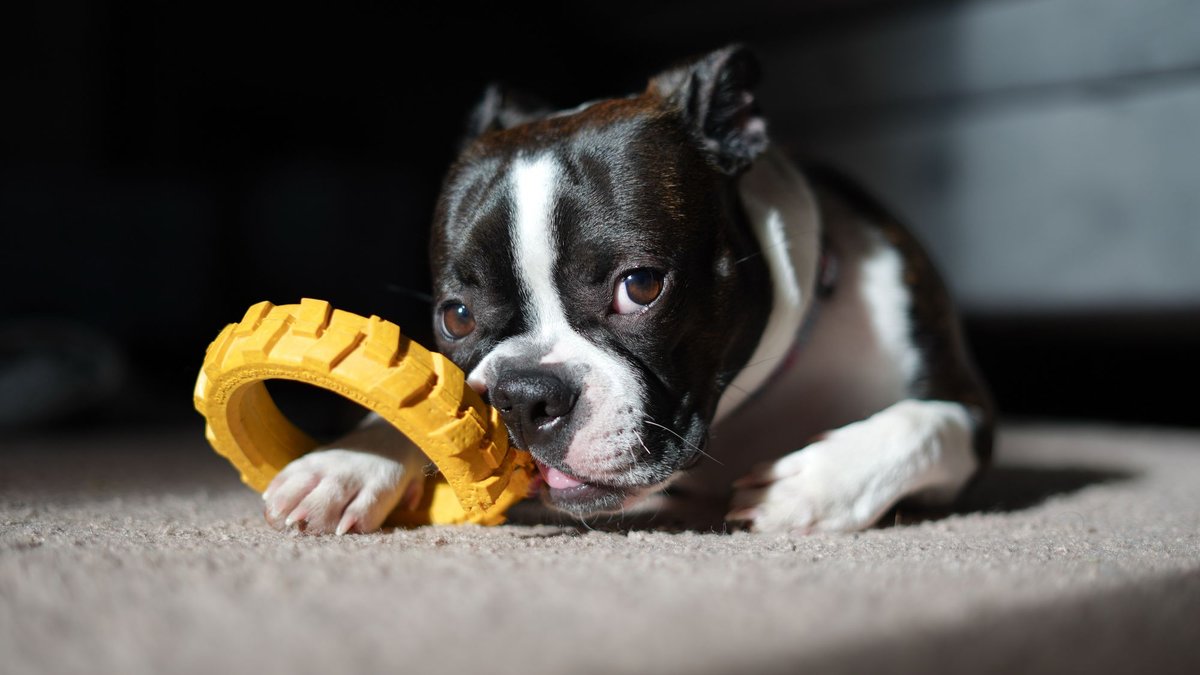
Mouthing, chewing, and manners all show up around now, and they’re three different things. Mouthing is how a puppy plays and explores. Chewing is a need, especially while their teeth are changing. Manners are the small habits that make living together easy: a softer mouth, chewing the right thing, waiting a second before jumping on a guest. You can teach all three with rewards. You can’t scold your way to a dog you enjoy living with.
Set It Up First
A puppy can’t practice a mistake they can’t reach.
- Slippers and socks in a box or on a shelf
- Cables out of the puppy’s room
- A chew next to your chair, ready to go
- No more playing with hands. Toys are the game
When Teeth Meet Skin
The moment teeth touch skin, the fun stops. Stand up, fold your arms, be boring for a few seconds. Then offer a chew. If they take it, praise them. If they go straight back to your skin, step out of the room or put a gate between you for a moment. Come back when they’re calm and offer the chew again. Restart play with a toy only.
Don’t hold the mouth shut, don’t tap the nose, and don’t yell. That might stop one bite and make the next one faster, or make the puppy scared of your hands. You want a puppy who chooses a soft mouth because a soft mouth keeps people around.
A wired, overtired puppy bites harder. Often the real fix is a nap. And kids shouldn’t handle this alone. Give them one rule: if the puppy mouths, freeze and call an adult.
Chewing Has a Place in the Day
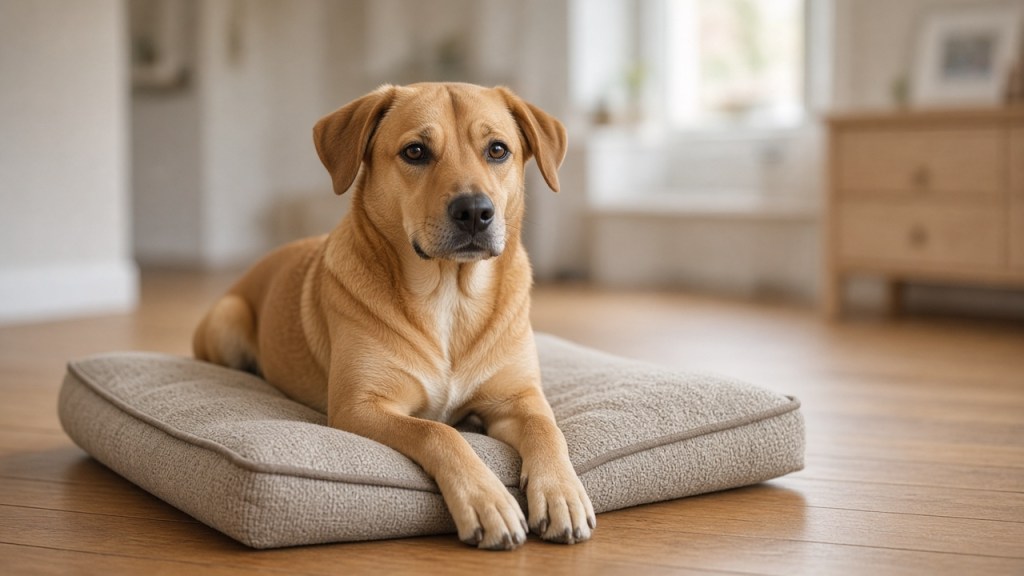
- After a minute of training, hand them a chew on the dog bed
- Rotate two or three safe chews to keep it interesting
- Pick a size that can’t be swallowed and doesn’t break into pieces
- Stay nearby
- Praise them for choosing the chew on their own
If they steal something, trade, don’t chase. From the puppy’s side, being chased is the best game ever. Walk over calmly, show the chew, swap, and put the sock somewhere better this time.
The First Manners
Four paws on the floor for hello. If they jump, become a post. When the paws land, say hi. Guests do the same, or jumping keeps paying off.
Sit for the good stuff. One second of sit, then the treat, the door opening, or the leash going on.
Name means check in. They look at you, then the fun starts. A dog who checks in is easy to live with and easy to take places.
Door patience. Leash on, sit, the door opens a crack. If they barge, it closes. Try again. Three good steps and you’re done.
If they can’t do it, the step is too big or the room is too exciting. Make it easier. A rep that ends in success is the one that sticks.
Where This Pays Off
These small manners are what let you take your dog to a pet-friendly restaurant one day and actually enjoy your meal. A dog who settles by your chair, keeps four paws down when the server comes, and chews quietly is a dog you can take places. It starts with practice at home, long before the first restaurant visit.
What the Household Should Stop
- Waving hands in the puppy’s face as a joke
- Kids running and screaming so the puppy chases
- Laughing at jumping at night and complaining about it in the morning
- Taking a chew away without a trade
- Getting louder every week and calling it teaching
Mouthing isn’t a big-dog problem and chewing isn’t a small-dog thing. Every size gets the same trade and the same kind approach.
Week 12 Checklist
- Safe chews are closer than slippers
- Teeth on skin ends the game, a chew restarts it
- Nobody holds a mouth shut or shouts
- Chewing has a spot in the day, on the dog bed
- Stolen things get swapped, not chased
- Hellos happen with four paws down
Next Week
Week 13 is the teenage stretch, when your puppy stops acting like a baby.


Leave a Reply