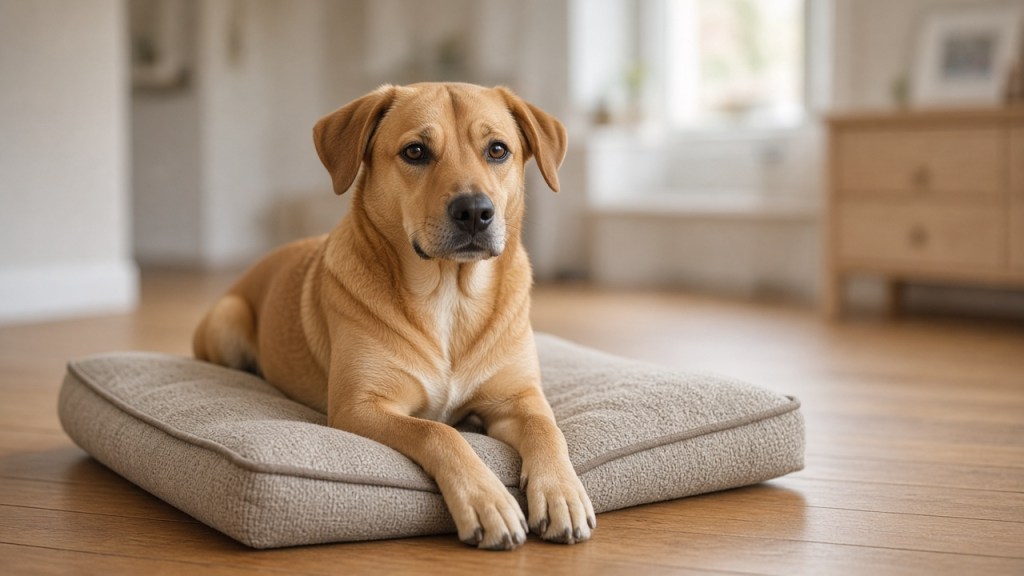

Week 10 · the world, in small bites
Socializing a puppy means adding the world in pieces they can handle. One new person. One new surface. One short look at the street. Then home, while they’re still taking treats and still curious. The window runs to about 14 to 16 weeks. That’s a good stretch of time. You don’t need to fill every hour of it.
The free Socialization Checklist is the simple list for this. Use it like a menu. Most of it can wait for another day.
Socializing isn’t flooding
Throwing a puppy into a busy scene and hoping they cope isn’t socializing. Socializing lets them look, make a choice, and leave feeling good. If you remember one thing, remember this: stop while the puppy is comfortable.
Comfortable looks like: a loose, wiggly body, taking food gently, walking up to something, looking away and coming back, and recovering quickly after a surprise.
Too much looks like: freezing or going frantic, refusing a treat they normally love, hiding behind you or trying to climb you, yawning, lip-licking, or turning away over and over, and not settling even after you leave.
That’s a stop sign, not drama. Walk away and end the outing. The next one should be easier. And don’t scold a puppy who won’t say hello. They’re not being rude. It was too much.
A good outing
- Bring soft treats they already know
- Pick one goal: watch one tricycle go past, meet one neighbor sitting down, or walk three houses and back
- Let the puppy look. Don’t drag them closer
- Reward looking, sniffing, and checking in with you
- Leave while it’s going well. Five good minutes beat thirty messy ones
- Nap at home afterward
Home counts too. A visitor sitting on the floor, an umbrella opening, rain on the roof, the tile at the bathroom door. That’s all socialization, and often better than a crowded park.
Strays
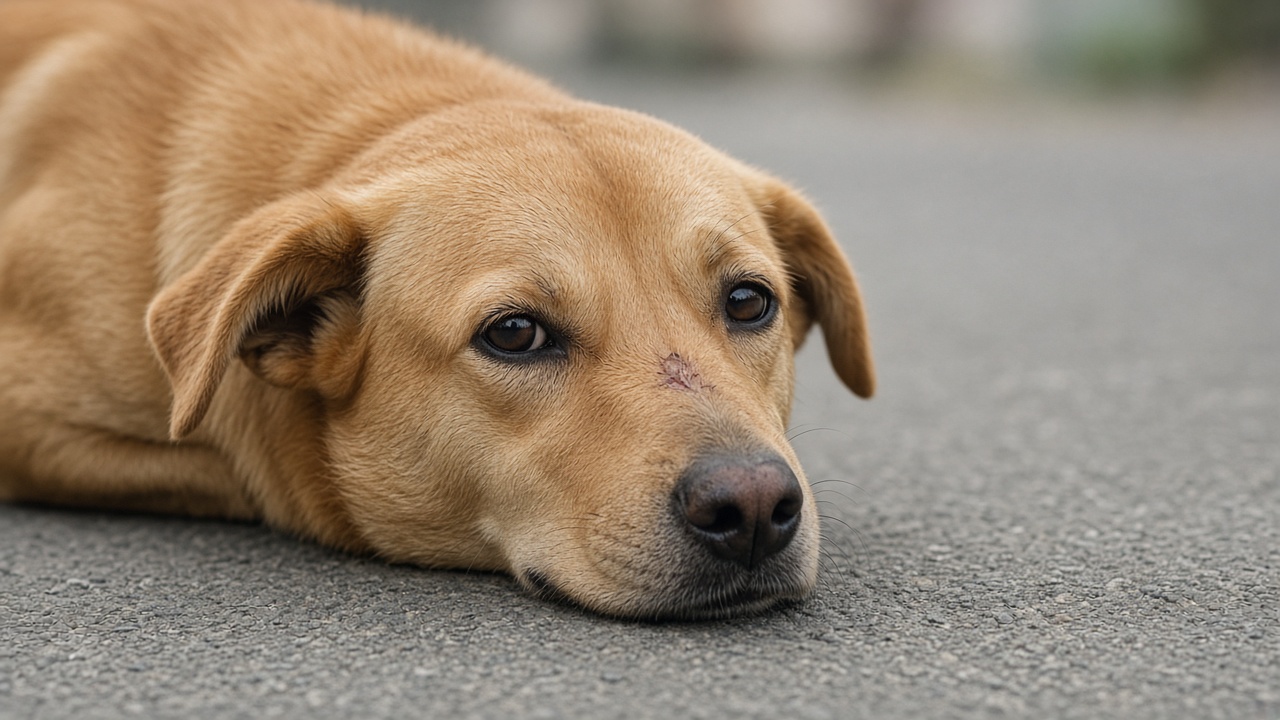
You’ll meet strays, so start early. If one walks past, give your puppy plenty of distance. Reward every calm look, and reward them for looking back at you. You’re not after a meet-and-greet. You want a dog who notices the stray, then ignores it and doesn’t react. Building that now is much easier than fixing barking later.
People and other dogs
Kind people are part of the plan. Grabby people aren’t, even if they love dogs. It’s fine to say, “Please sit and let him come to you.”
Other dogs are optional. Pick calm dogs you know and trust, not every dog on the corner. A short sniff, both dogs loose and free to walk away, is plenty. If you don’t have a good dog friend for this, leave dog meetings for later. People, sounds, and surfaces matter more right now.
Kids need a script: sit down, one hand, one treat on a flat palm, done. You stay close enough to end it.
Rest days count
Don’t stack events just because the window is open. A puppy who met someone new yesterday can have a quiet day today. Sleep, chew, settle on the dog bed, normal potty routine. Rest is what makes the learning stick. If a day goes badly, make life smaller and try the hard thing again later, at half the size.
Week 10 checklist
- One goal per outing
- The Socialization Checklist is a menu, not homework
- You know two signs of comfortable and two signs of stop
- People sit and let the puppy choose
- Strays get distance, and calm gets rewarded
- Other dogs are optional and easy to walk away from
- A big day is followed by a quiet one
Next week
Week 11 is back indoors: what a good puppy home looks like, and the Rule of 3.

Leave a Reply