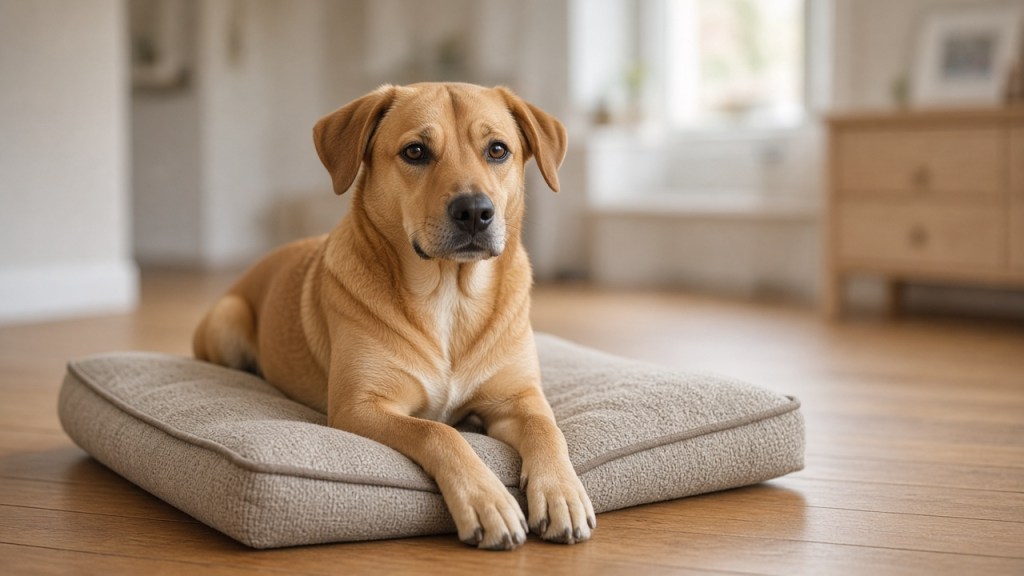
A “weekend dog” is a dog who only goes out when it suits the family’s plans: a Sunday at the mall, a trip to the beach, a day at the park. The rest of the week, they stay indoors. It’s a common pattern, and it usually comes from busy lives rather than a lack of love. But dogs need to go out every day, and the ones who don’t often struggle in the very places their owners most want to take them.
What Is a Weekend Dog?
Picture a dog who spends Monday to Friday at home. The family leaves early and gets home late, tired from work and traffic. Then on Saturday the dog is bathed, put on a leash and brought to a mall, a café or a resort for the day.
It looks like a great life on paper, and many of these dogs are deeply loved. The trouble is that outdoor time comes in big, rare bursts that fit the owner’s schedule, not the dog’s needs. To the dog, the outside world never becomes normal. Each outing feels like a big, loud, brand-new event.
Why It Happens So Often in the Philippines
There are real, understandable reasons this pattern is so common here:
- Busy weekdays. Long work hours plus Metro Manila traffic leave very little time or energy for a walk.
- The heat. Midday sun and hot pavement make walking feel impossible for much of the day.
- Rainy season. Weeks of rain and flooding make it easy to skip going out.
- Small homes. In a condo or a compact house, it can feel like the dog has “enough space” already.
- Malls as the default outing. Pet-friendly malls are air-conditioned and convenient, so they become the main place dogs go.
- The old idea of the house dog. Many families grew up with dogs who stayed home or in the yard, so daily walks don’t feel necessary.
None of this makes someone a bad owner. It just means the dog’s routine was shaped by the household’s routine, and the dog’s needs got squeezed out.
“But What About Parvo?”
One of the most common reasons dogs stay indoors is fear of viruses like parvo. That worry comes from a good place. Parvo is serious, and no one wants to put their dog at risk.
Here’s the important part: a dog who has completed their vaccinations is protected against parvo and the other common viruses those vaccines cover. For a fully vaccinated adult dog, daily walks around the neighborhood, the village or a quiet park are a normal, healthy part of life.
There’s also a cost to staying in that’s easy to miss. A dog who rarely sees the outside world can become stressed, anxious and reactive, and that affects their whole life and the family’s too. A fear of germs can quietly turn into a dog who can’t handle a mall, a café or even the street outside the gate.
For young puppies who haven’t finished their vaccine series yet, socialization doesn’t have to stop. Carry them so they can watch the world, let them meet calm, vaccinated dogs, and choose clean, low-traffic spots instead of busy dog areas. That way they still get the early experiences they need while staying safe.
What Dogs Actually Need Every Day
The guideline is simple: dogs should go out every day, twice a day, for at least 45 minutes each time. High-energy dogs, such as working breeds, herding breeds and many young adolescent dogs, usually need more than that.
Those walks aren’t only about burning energy. A good outing gives a dog:
- Sniffing time. Sniffing is how dogs read the world. A slow walk with lots of sniffing tires the brain as much as the body.
- New sights and sounds. Tricycles, jeepneys, kids, guards, other dogs, a neighbor sweeping the street.
- Practice staying calm. Every ordinary walk is a small lesson that the outside world is safe and boring in a good way.
- A routine to look forward to. Dogs settle better at home when they know they’ll get out again later.
A big yard or a spacious home doesn’t replace this. As covered in The Indoor Dog Is Not a Type of Dog, every dog needs the outside world, no matter where they sleep.
What Happens When Dogs Only Go Out on Weekends
Pent-Up Energy
A dog who has been indoors all week arrives at the weekend outing full of energy. That often shows up as pulling hard on the leash, jumping on people, barking, or not being able to settle at a café table.
Under-Socialization
Socialization isn’t a one-time event. It’s the steady, everyday experience of seeing people, dogs, places and noises and learning they’re nothing to worry about. A weekend dog gets these experiences in rare, intense doses, so they never get the chance to feel ordinary.
Reactivity and Anxiety in Unfamiliar Places
This is where it shows most. Weekend dogs commonly struggle in:
- Malls: crowds, escalators, slippery floors, echoing noise, strangers reaching out to pet them.
- Churches and events: long periods of being asked to stay quiet among lots of people.
- Parks: joggers, bikes, kids running, other dogs on leashes.
- Dog parks: many unfamiliar dogs at once, often with no warm-up at all.
A dog who isn’t used to these places may bark, lunge, hide behind their owner, shake, refuse to move, or in some cases snap or become aggressive. It isn’t a “bad dog” problem. It’s a dog who is overwhelmed and doesn’t have the experience to cope.
The Socialization Window and Why It Matters
Puppies have a sensitive period early in life when new experiences shape how they see the world for years to come. It starts earlier than most people expect, which is explained in Week 4: Why the Socialization Window Starts Earlier Than Most People Think.
Many weekend dogs spent this window mostly at home. They missed the calm, gradual exposure that teaches a young dog that people, traffic and other dogs are normal. That doesn’t mean they can’t improve, but it does mean they need more patience as adults.
If you have a puppy now, this is the best time to start. Week 10: How to Socialize a Puppy Without Overwhelming Them walks through how to do it gently.
How to Avoid Raising a Weekend Dog
Build a Daily Walk Routine That Fits Real Life
- Beat the heat. Walk early in the morning and in the evening, when the pavement has cooled. A quick hand-on-the-ground test helps: if it’s too hot for your palm, it’s too hot for paws.
- Split the work. Family members, a helper or a trusted neighbor can each take a walk so it doesn’t all fall on one person.
- Have a rainy-day plan. On days you truly can’t go far, use covered walkways, condo hallways or the building lobby for shorter outings, and add sniffing games at home. Just treat these as backup for the odd rainy day, not a replacement for real walks outside.
Vary the Route
Walking the same loop every day is good, but adding variety is even better. Try a different street in the village, the park near the barangay hall, a quiet parking area or a covered walkway. New routes give the dog new smells and small, manageable surprises.
Make New Places Calm and Short
The goal is ordinary, quiet exposure, not big exciting outings. Visit a new spot for 10 to 15 minutes, let the dog watch and sniff from a comfortable distance, reward calm behavior, and leave while things are still going well.
Build Up to Malls and Cafés Gradually
Think of it as steps:
- Quiet streets near home.
- Busier streets and building lobbies.
- Outside a mall or café, watching from a distance.
- Short visits inside during quiet hours, such as weekday mornings.
- Longer visits, then busier times.
Only move to the next step when your dog is relaxed at the current one. Once they’re ready, the Pet-Friendly Restaurants in Metro Manila list is a good place to look for calm first café visits.
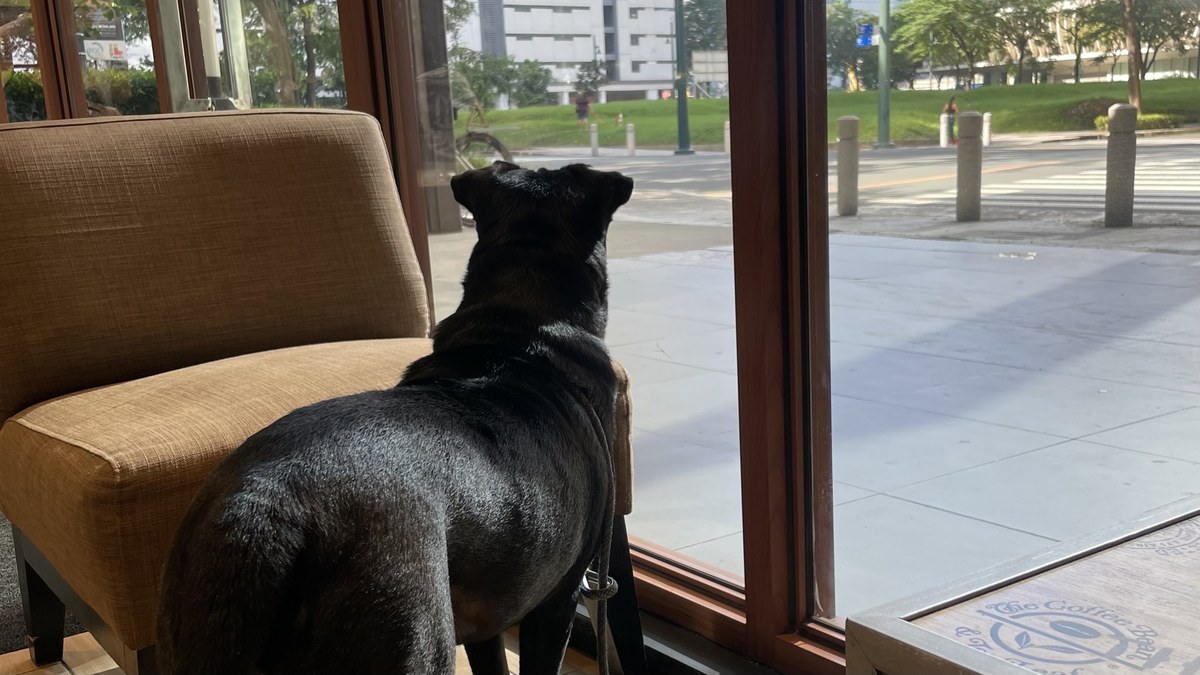
A calm, confident dog can still be alert and observant, without being anxious or overreactive. Coffee Bean and Tea Leaf, BGC. More dog-friendly spots are in Pet-Friendly Restaurants in BGC.
Learn to Read Stress Signals
Dogs tell you when they’re uncomfortable, usually long before they bark or snap. Watch for:
- Lip licking or yawning when not tired
- Tucked tail or ears pinned back
- Whale eye (showing the whites of the eyes)
- Panting heavily when it isn’t hot
- Freezing, refusing to move or trying to hide
- Pulling hard to get away
If you see these, calmly create more distance or end the visit. Pushing through only teaches the dog that the place is scary.
A Real Example: Toby
Toby, a 5-year-old Maltese, was a friendly dog until he suddenly turned reactive at age 4. He lunged and growled at big dogs, running children, rolling carts, janitors, guards and motorcycles, and at home he barked nonstop at hallway noises. A move to a new condo made it worse.
His family didn’t fix it with one big outing. They built a clear daily routine so Toby felt safe, learned to stay calm and lead him through triggers instead of reacting to them, and practiced in real-world places again and again. Over time his reactivity on walks dropped to zero. Today he walks right past other dogs barking from strollers without engaging at all, which is exactly what a dog you can take anywhere looks like. Toby’s full story, along with other before-and-after stories, is on the Paw Nation BGC stories page.
If Your Adult Dog Is Already Reactive
Plenty of owners only notice the problem once their dog is grown. The good news is that adult dogs can still learn. It just takes more time.
- Go slow. Start with daily walks in quiet areas before trying busy places again.
- Use distance. Keep far enough from triggers, like other dogs or crowds, that your dog can still notice you and take a treat. That distance is where learning happens.
- Keep visits short and positive. A good five minutes beats a stressful hour.
- Skip the dog park for now. Crowded, unfamiliar dogs are the hardest test there is. Come back to it later, if at all.
- Stay consistent. Daily practice matters far more than one big outing a week.
- Get qualified help if needed. If your dog is snapping or biting, working with an experienced, reward-based trainer is a sensible step.
The Goal: A Dog You Can Take Anywhere
Calm in a busy mall: this is what everyday practice looks like.
The dream behind every mall trip and beach weekend is a good one: a dog who can join the family’s life. The way to get there isn’t more big outings. It’s small, ordinary ones, every single day. Dogs who go out twice a day, see the world calmly and build confidence step by step are the dogs you can take anywhere.
As shown in Why Tricks Are Not the True Measure of a Trained Dog, a well-trained dog isn’t the one with the most tricks. It’s the one who stays calm and relaxed wherever life takes them.
FAQ
How many outdoor walks does a dog need per day? The guideline is two outdoor walks a day, at least 45 minutes each. High-energy breeds and adolescent dogs usually need more. Play and brain games at home are a nice extra, but they don’t replace time outside.
Is a big yard a replacement for outdoor walks? Not on its own. A yard is nice, but it doesn’t give a dog new sights, smells and people. Daily walks outside the home are still needed.
Why is my dog calm at home but reactive at the mall? Home is familiar and the mall isn’t. A dog who rarely goes out has little practice with crowds and noise, so a busy mall can quickly overwhelm them.
Can an adult dog still be socialized? Yes. It takes longer than with a puppy, but slow, short and positive exposure, done consistently, helps most adult dogs become more relaxed outside.
Is it OK to walk my dog in the Philippine heat? Walk early in the morning and in the evening when it’s cooler, and check the pavement with your hand first. Avoid midday walks on hot days.



Leave a Reply