
Many condominiums in Metro Manila allow pets, but only small ones. Ours sets a height limit: no dog taller than 15 inches at the shoulder. On paper it sounds sensible. Small dogs take up less room and seem less of a risk in a lift.
But what is the rule really trying to prevent? If the answer is bites, noise, damage and mess, then height is a poor way to measure any of them. Let’s look at the logic behind size rules, where it falls short, and what a fairer set of rules could look like.
What size rules are trying to solve
To be fair to building managers, the worries are real. Residents want to feel safe in shared spaces, without barking through the walls or mess in the hallway. A size limit feels like a simple, easy-to-check fix.
The problem is that it controls the wrong thing. Size tells you how big a dog is. It doesn’t tell you how the dog behaves.
Size doesn’t predict behaviour
One of the largest studies on dog behaviour and genetics, published in Science in 2022 by Morrill and colleagues, surveyed owners of more than 18,000 dogs and sequenced the DNA of over 2,000. It found that breed explains only about 9% of the variation in an individual dog’s behaviour. Body size had virtually no effect on the behaviours they measured. Most dogs of every breed fell close to the average, and dogs within the same breed varied a great deal.
You can’t look at a dog’s height, or even its breed, and know whether it will be calm or reactive. That comes from the individual dog, its experiences, its routine and how it is raised. We covered this in more detail in “It’s Just the Breed”: Why Breed Doesn’t Explain Reactivity.
The “cute” bite is still a bite
A small Chihuahua that lunges, snaps and bites people at the lift door is not behaving well. It is behaving exactly like a large dog that lunges, snaps and bites. The difference is the damage, not the behaviour.
Yet small dogs are often let off the hook. A growling Chihuahua gets laughed at and called feisty; a growling large dog gets reported. A dog that bites is usually scared, stressed or uncomfortable, so calling it cute means nobody looks at why, and the dog stays unhappy.
A small dog causing less injury doesn’t make the behaviour acceptable. It just makes it easier to ignore.
The big-dog stereotype
Size rules also lean on the old idea that big dogs, especially pit bull types, are naturally aggressive. The 2022 study found breed was almost uninformative for how easily a dog is provoked. Judging every large dog by its height punishes calm dogs and responsible owners for something they haven’t done.
What the research says about size and behaviour
- A 2013 study in PLoS ONE by McGreevy and colleagues compared owner reports on more than 8,000 dogs across 49 breeds. As breed height went down, many problem behaviours went up, including owner-directed aggression, fearfulness and separation-related problems. Lighter breeds were reported as more excitable.
- A 2010 study by Arhant and colleagues surveyed 1,276 owners. Owners described smaller dogs as less obedient, more aggressive, more excitable and more anxious. But owners of smaller dogs also reported being less consistent with them and spending less time playing and doing structured activities together, and more consistency went with better behaviour.
- A 2008 study by Duffy, Hsu and Serpell found that Dachshunds, Chihuahuas and Jack Russell Terriers were among the breeds with the highest share of bites or bite attempts towards people. Greyhounds were among the least aggressive. The authors noted that bite statistics can mislead, because big dogs’ bites are more likely to cause injury and get reported.
Small dogs show as many behaviour problems as big dogs, often more, and much of that seems linked to how they are handled and excused. Big dogs can do more damage when things go wrong. Both facts point to the same answer: rules should target behaviour, and hold every dog to the same standard.
Size rules shut out our Aspins
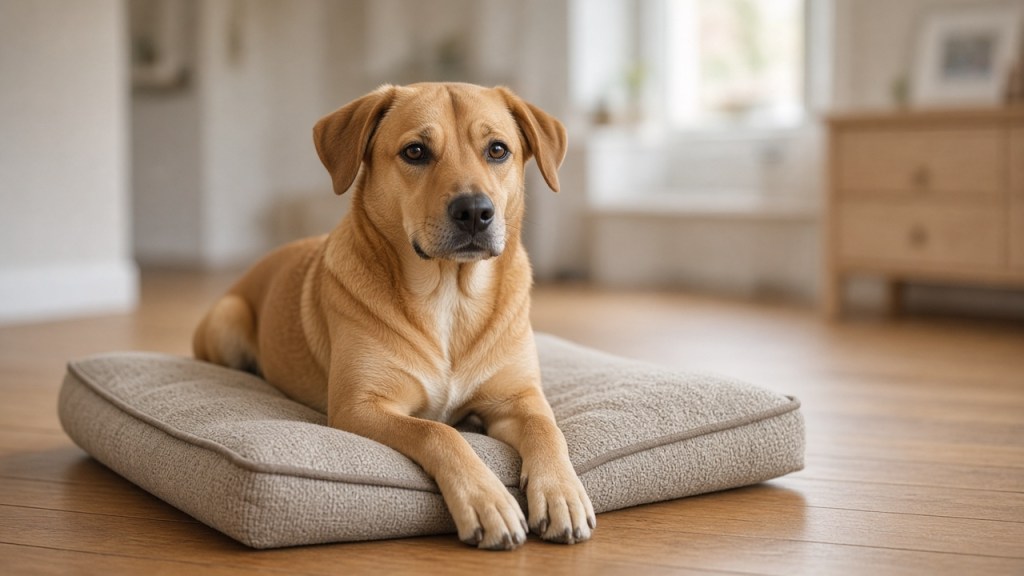
Here in the Philippines, there is another cost. Our Aspins, the local dogs we see everywhere, tend to be medium-sized. Many stand taller than 15 inches. A height limit quietly tells families that adopting a local dog isn’t an option if they live in a condo, while a small imported breed is welcome.
With so many adaptable, easy-going Aspins waiting in shelters, a rule that turns them away by default works against adoption. If you are thinking about adopting, see our guide to adopting a rescue dog in Metro Manila.
The myth that small dogs suit small homes
There is a long-held belief that small dogs suit small spaces and big dogs need a big house with a yard. It sounds logical, but energy and temperament matter far more than size.
Compare a Greyhound and a Jack Russell Terrier.
A Greyhound would never pass a 15-inch rule, yet many are famously relaxed at home. They are sprinters, not marathon runners, and after a good walk and a short run many will sleep on the sofa most of the day.
A Jack Russell Terrier would pass easily. But it was bred to chase, dig and hunt for hours, with a strong prey drive and seemingly endless energy. Kept indoors without enough to do, it may bark, chew, dig at doors and become restless or reactive. In a condo, that small dog can cause far more damage and stress than the big one.
These are tendencies, not guarantees, but they show why height is a poor stand-in for “suitable for condo life”.
Any dog without enough exercise will struggle
Here is the important part: if neither dog gets proper exercise, both will have pent-up energy. No dog of any size is designed to stay inside four walls.
We wrote about this in The Indoor Dog Is Not a Type of Dog. There is no such thing as a dog that only needs a sofa. Every dog needs daily walks, time outdoors, new smells and sights, and things to do with its mind.
If the plan is to get a dog and keep it indoors 100% of the time, that isn’t giving the dog the life it deserves. It also sets you up for a difficult journey, often more than a decade long, that isn’t enjoyable for either of you. In that case, the honest answer may be that a dog doesn’t suit your lifestyle right now, whatever its size. And that’s alright. Knowing it before you bring a dog home is far kinder than finding out after.
A fairer set of condo pet rules
Rules should focus on behaviour, health and owner responsibility, because those are what actually affect neighbours. A size-neutral approach could look like this:
- Registration. Every pet is registered with the admin office, with a photo and owner contact details.
- Up-to-date vaccinations. Proof of rabies and core vaccinations from a vet, renewed each year.
- Leash in all common areas. Dogs stay on a leash in the lobby, hallways, lifts, parking and grounds, and under the owner’s control at all times.
- Lift etiquette. Owners ask before sharing a lift, or wait for the next one, and keep the dog close. A pet lift or set times can help in larger buildings.
- Waste rules. Owners pick up immediately and clean any accidents in shared spaces.
- Noise and nuisance rules. The same rules that apply to loud music apply to constant barking or howling. Complaints are handled the same way, regardless of the dog’s size.
- Incident-based policy. Bites, attacks or repeated nuisance are recorded and handled with clear, stepped consequences: a warning, then required action such as a muzzle in common areas or a behaviour plan, and removal only for serious or repeated incidents. This applies to a Chihuahua exactly as it applies to a Labrador.
- Owner responsibility and liability. Owners are liable for any damage or injury their pet causes, backed by a signed agreement or pet deposit.
- Optional temperament assessment. A simple behaviour check for new dogs, or after an incident, judges the dog in front of you, not a number on a tape measure.
- A limit on the number of pets per unit. A fair way to manage space and welfare, without singling out bigger dogs.
Rules like these deal with the actual problems. A calm medium Aspin is welcome, a small dog that bites is dealt with, and everyone is held to the same standard.
Judge the dog, not the height
A 15-inch rule is easy to measure, but it measures the wrong thing. Fair rules look at behaviour and responsibility, and ask the same of every owner.
And whatever the size of the dog, the most important question isn’t whether it fits the building’s rules. It’s whether your daily life has room for its walks, its time outdoors, and its need to simply be a dog.


Leave a Reply