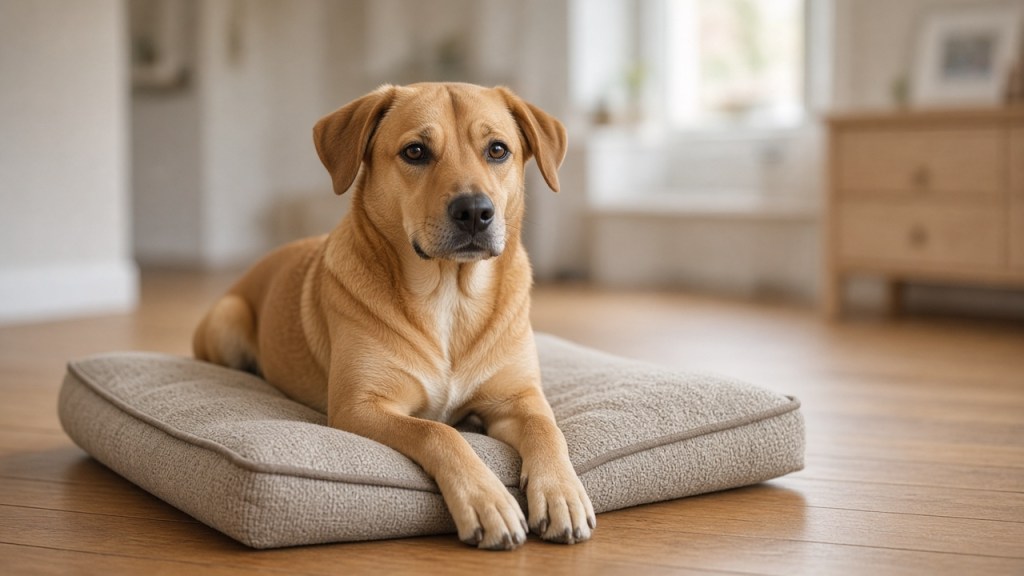
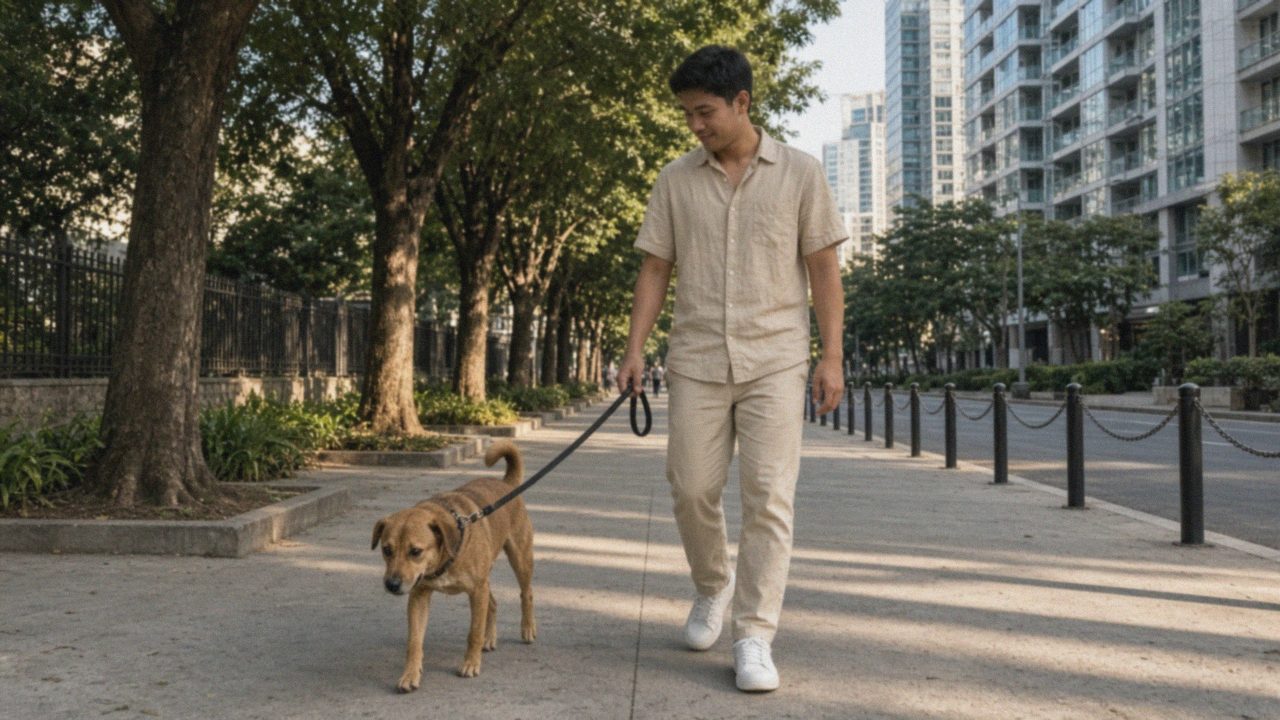
“He’s a pandemic dog.” Barry, our trainer at Paw Nation BGC, hears this a lot. It usually comes as an explanation, almost an apology, for a dog who pulls on the leash, barks at every noise in the condo hallway, hides behind his owner’s legs on the street, or simply can’t settle. The owner isn’t wrong that their dog grew up during a strange time. But the label can hide something more useful: the real reason, and the fact that it can be worked on.
What people mean by a “pandemic dog”

During the ECQ lockdowns in 2020 and 2021, many families in the Philippines
finally had the time to bring a puppy home. We were all indoors, working from the sofa, and a puppy felt like good company. Those puppies grew up in condos and houses where the world outside the front door was mostly off-limits.
Now those dogs are grown, and many owners describe the same things: a dog who is overactive at home, anxious outdoors, fearful of strangers or other dogs, reactive to traffic, or barking at every lift door and delivery rider. “Pandemic dog” has become the shorthand for all of it.
The issues aren’t unique to the pandemic
Here’s what Barry wants every owner to know: none of these behaviours are special to dogs born in 2020 or 2021. You’ll see exactly the same picture in a dog raised in 2015 or 2025 who wasn’t taken out and introduced to the world properly.
Overexcitement, nervousness outdoors, excessive barking and fear are the classic signs of an under-socialised dog. A puppy who doesn’t meet new people, hear new sounds, walk on new surfaces and see other dogs calmly during those early months simply doesn’t learn that these things are normal and safe. That’s true whether the reason was a lockdown, a busy work schedule, a family that worried about letting the puppy out too soon, or a home where the dog just stayed in the condo.
So the pandemic isn’t really the explanation. Under-socialisation is.
What the lockdowns really did: they made it visible
What the lockdowns did was make the problem easier to see. When a whole city stays home at once, a whole group of puppies misses the same experiences at the same time. Owners compare notes, see the same struggles in each other’s dogs, and give it a name.
But the dog down the hall who was bought in a “normal” year and kept indoors because the owner worked long hours can have exactly the same struggles. Nobody calls him a pandemic dog. He’s just “nervous” or “hyper” or “a barker”. The cause is the same.
This matters because a label like “pandemic dog” can feel like a fixed fact about your dog’s history, something that happened to them and can’t be changed. “Under-socialised” is different. It describes something missing, and things that are missing can be added.
What under-socialisation looks like day to day

If your dog wasn’t socialised properly, whenever or however they were raised, you might notice:
- Pulling hard on the leash, or freezing and refusing to walk, once you step outside the building.
- Barking at hallway sounds, the lift, the doorbell or the neighbour’s dog.
- Jumping, mouthing or running wild when visitors come over.
- Hiding, trembling or lunging around jeepneys, motorbikes, umbrellas or crowds.
- Struggling to settle, even after a walk.
None of this means your dog is “bad” or “broken”. It means they’re missing experience and structure.
It’s never too late: time, structure and consistency

The hopeful part is the part Barry cares about most. Under-socialised dogs can be helped at any age. An adult dog won’t learn in quite the same way a young puppy does, but they can still learn to be calmer, more confident and easier to live with.
What it takes is simple to say, if not always easy to do:
Time. Short, regular outings beat one big, overwhelming day out. A few calm minutes in the lobby, then the driveway, then a quiet street in the subdivision early in the morning before the morning rush.
Structure. Dogs feel safer when they know what’s expected. Clear routines for walks, meals and rest, and simple commands like sit, wait and heel on the leash, give your dog something to focus on instead of worrying about everything around them.
Consistency. Everyone in the household should use the same commands and the same rules. A dog who gets mixed messages stays unsure. A dog who gets the same answer every time starts to relax.
Go at your dog’s pace. Let them watch the world from a comfortable distance and reward calm, curious behaviour. Increase the challenge only as their confidence grows.
If you have a new puppy now
If you’re bringing a puppy home today, this is your chance to get ahead. Don’t wait until a problem appears. Gently introduce your puppy to everyday urban life: condo hallways, lifts, guards, delivery riders, traffic sounds, tiled floors and grass, people in hats and helmets, and calm, friendly dogs. Keep each experience short and positive.
Socialisation isn’t about letting your puppy meet everything at once. It’s about showing them, little by little, that the world is a safe and predictable place.
How Puppyhood and Paw Nation BGC can help
Whether your dog is a “pandemic dog”, a rescue with an unknown past, or a young puppy you want to raise right, you don’t have to figure it out alone.
At Puppyhood, we help new owners build good habits and confident puppies from day one. For older dogs and puppies ready for a group setting, Barry runs training at Paw Nation BGC using positive reinforcement built on time, structure and consistency.
Your dog’s past explains where they’re starting from. It doesn’t decide where they can go. If you’d like a hand, get in touch and we’ll help you take the next step together.


Leave a Reply