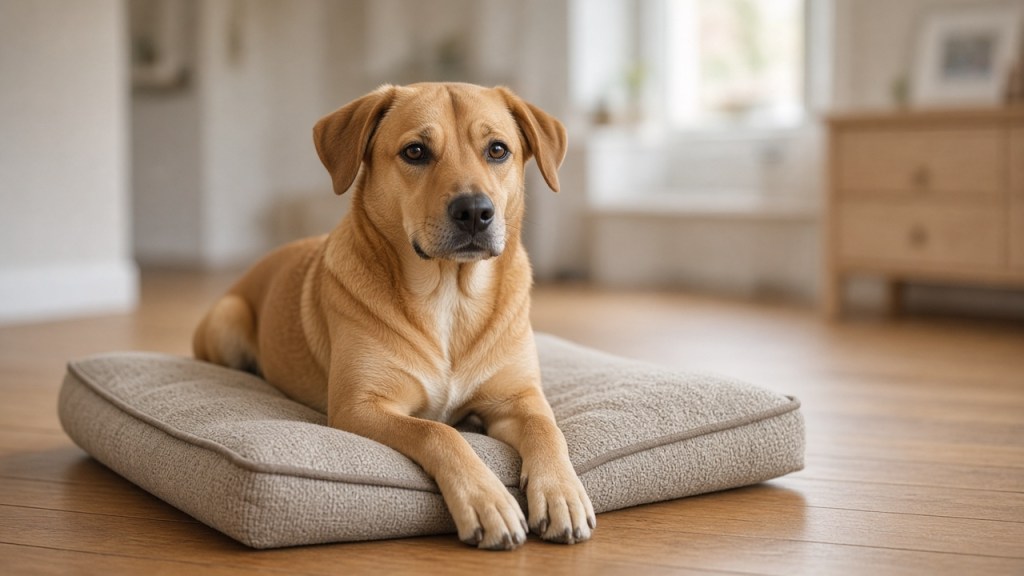

Christmas in the province, the long Undas weekend or a work trip abroad: sooner or later, most dog owners in Philippine cities, from Metro Manila to Cebu, Davao and Iloilo, have a trip where the dog cannot come along. That is true whether the dog lives in a condo, a townhouse or a house with a small yard. A bit of planning makes it easier for both sides. This guide covers the main care options, how to choose one, how to get the dog ready and what to expect.
Note: Every dog is different. How a dog handles time apart depends a lot on its everyday lifestyle, including its daily outdoor walks, routine and how used it is to new people and places. Preparation helps, but there is no instant fix, so give the dog time.
Quick Answer
- Book early. Sitters and boarding places fill up fast around Christmas, New Year, Holy Week and Undas.
- Pick the care that suits the dog, not just the most convenient one. Calm homebodies often do best at home, while social dogs may enjoy home boarding or a pet hotel.
- Visit first and ask about routines, outdoor walks, overnight supervision and emergency plans.
- Do a trial stay of a few hours or one night before the real trip.
- Check vaccinations early, since many boarding places ask for up-to-date records.
- Pack familiar things: the dog’s bed or blanket, toys, its usual food in labeled portions, its leash and a written routine sheet.
- Keep goodbyes and homecomings calm and low-key.
- Expect a short adjustment on both ends of the trip. A small appetite dip or extra sleep is common.
Care Options While You Travel
There is no single best option. The right one depends on the dog’s age, health, personality and how long the trip is.
Trusted Family or Friend at Home
A relative, neighbor or friend the dog already knows stays over or drops by.
- Pros: familiar person, familiar home, no travel for the dog, least change to the routine.
- Cons: they may be busy, may not follow the routine closely, and drop-in visits can leave the dog alone for long stretches.
- Best for: dogs that are attached to home, senior dogs and short trips.
Pet Sitter at Your Home
A paid sitter either lives in while the owner is away or comes for set visits each day.
- Pros: the dog keeps its own space, smells and routine. A live-in sitter also keeps the house occupied.
- Cons: it means trusting someone new with house keys, and quality varies, so references matter. Visit-only sitters leave gaps between visits.
- Best for: dogs that get nervous in new places, multi-pet homes and longer trips where staying put matters.
Home Boarding With a Sitter
The dog stays at the sitter’s own home, often with only a few other dogs.
- Pros: a homey setting, more personal attention than a big facility and usually someone around overnight.
- Cons: a new place to get used to, other pets in the home, and setups vary a lot from one sitter to the next.
- Best for: social dogs that are fine with other dogs and enjoy company.
Boarding Facility or Pet Hotel
A dedicated business with staff, rooms or kennels, and set schedules.
- Pros: trained staff, set routines, clear rules on vaccinations, and often an easy way to get photo updates.
- Cons: more noise and more dogs, less one-on-one time, and some dogs find the busy setting tiring.
- Best for: confident, easygoing dogs, and owners who want a structured setup.
Vet Boarding (Only for Dogs With Medical Needs)
Some veterinary clinics board pets.
- Pros: medical staff nearby for dogs on daily medication, with ongoing health conditions or recovering from surgery.
- Cons: a clinic is a medical setting, not a vacation spot, and there may be less space for outdoor walks and play.
- Best for: dogs whose health needs require medical care while the owner is away.
How to Choose a Sitter or Boarding Place
Check any option in person before booking. Look at and ask about:
- Visit first. See where the dog will eat, sleep and rest. Is there enough space, and is it clean, safe and cool enough for Philippine heat?
- Ask about daily routines. Can they follow the dog’s feeding times, walk times and bedtime?
- Ask about outdoor walks. How many walks a day, how long, and where? Ask what they do on very hot afternoons and rainy typhoon-season days.
- Ask how many dogs they care for at once, and how they group dogs by size and temperament.
- Ask about overnight supervision. Is someone on-site at night, or are the dogs left alone until morning?
- Ask about vaccination requirements. A place that asks for records from every dog is a good sign.
- Ask about updates. Will they send photos or messages, and how often?
- Ask about the emergency plan. Which vet do they use, how do they reach the owner, and what happens during a power outage or flooding?
- Read reviews and ask for references, especially from owners of dogs similar to yours.
How to Prepare Your Dog
Preparation should start a few weeks before the trip if possible, not the night before.
Do a Trial Stay or Short Practice Separations
A few hours with the sitter or at the boarding place, or one overnight stay, helps the dog learn that the new person or place is safe and that the owner comes back. Dogs that are rarely left alone can start with short practice separations at home, with someone they trust nearby.
Keep the Routine Steady
In the days before leaving, keep meals, outdoor walks and bedtime on the usual schedule. A dog with a steady routine and regular daily outdoor walks usually copes better with change.
Keep Goodbyes Calm and Low-Key
A long, emotional goodbye can make the dog more unsettled. A short, calm goodbye works better. Hand over the leash, say a quick goodbye in a normal voice and leave.
Pack Familiar Items
- The dog’s own bed or blanket, which smells like home
- One or two favorite toys
- The dog’s usual food, split into labeled daily portions, plus a few extra days in case of travel delays
- Its collar with ID tag, and its own leash
- Any medication, clearly labeled with dose and time
Write a Routine Sheet
A one-page sheet helps any carer, even family. Include:
- Feeding times and amounts
- Outdoor walk times and usual routes
- Cues the dog knows, such as “sit,” “wait” or its recall word
- Quirks and habits, like fear of thunder, food guarding or favorite resting spots
- The owner’s contact details and a backup emergency contact
- The dog’s vet name, clinic address and phone number
Vaccinations and Paperwork
Many sitters and boarding places ask to see an up-to-date vaccination record before accepting a dog. Requirements differ, so ask each place what it needs. A vet visit a few weeks before the trip helps to:
- Update any vaccines that are due, since some need time before they take full effect
- Ask about tick and flea prevention, which matters around other dogs
- Refill any regular medication for the length of the trip
- Get a copy of the vaccination record, or a clear photo of it on the phone
It also helps to leave a signed note allowing the carer to take the dog to the vet in an emergency.
What to Expect While You Are Away
Most dogs need a little time to settle. Common things carers notice:
- A smaller appetite for the first day or two, which usually returns as the dog relaxes
- More sleep, or the opposite, some restlessness or pacing
- Watching the door or waiting for the owner at first
- Settling in after a few days, especially with steady routines and regular outdoor walks
How a dog adjusts depends on its everyday lifestyle and personality. If the dog refuses food for more than a day or two, or seems unwell, the carer should contact the vet.
What to Expect When You Come Home
- Lots of excitement at first, with jumping, spinning or vocalizing
- Tiredness for a day or two, since a new place can be busy and stimulating
- A possible tummy upset, especially if the food or water changed. If it lasts more than a day or two, see the vet.
Keep the homecoming calm. Greet the dog quietly, let it sniff and settle, and save the big cuddles for when it has calmed down. Then go back to the usual meals, outdoor walks and bedtime as soon as possible. The routine helps the dog feel at home again.
Printable Checklist
Two to four weeks before
- ☐ Choose a care option and book it, earlier for holidays
- ☐ Visit the sitter or boarding place
- ☐ Check vaccinations with the vet
- ☐ Do a trial stay or short practice separation
The week before
- ☐ Portion and label food, plus extra days
- ☐ Refill medication
- ☐ Write the routine sheet
- ☐ Check the collar, ID tag and leash
Drop-off day
- ☐ Bed or blanket, toys and treats
- ☐ Vaccination record copy
- ☐ Emergency contacts and vet details
- ☐ Short, calm goodbye
Coming home
- ☐ Calm greeting
- ☐ Back to the usual routine and outdoor walks
- ☐ Watch appetite and tummy for a few days
FAQ
How early should I book dog boarding in the Philippines?
For holidays like Christmas, New Year, Holy Week and Undas, book several weeks ahead, since popular sitters and pet hotels fill up quickly. For regular dates, a week or two is often enough, but earlier leaves time for a visit and a trial stay.
Is it better to leave my dog at home or at a boarding place?
It depends on the dog. Dogs that get nervous in new places often do best at home with a sitter or someone they know. Social, easygoing dogs may enjoy home boarding or a pet hotel.
What vaccinations does my dog need for boarding?
Each place sets its own rules, so ask before booking. Many ask for an up-to-date vaccination record. The vet can advise which vaccines the dog needs and how far ahead to get them.
Will my dog be sad when I leave?
Many dogs are a bit unsettled for the first day or two, then settle in. Steady routines, daily outdoor walks, familiar items and a calm goodbye help.
Why is my dog tired after boarding?
A new place with new sights, sounds and people is a lot to take in, so many dogs sleep more for a day or two after coming home. If the dog seems unwell, see the vet.
Should I bring my dog’s own food to boarding?
Yes, if allowed. Sticking to the usual food lowers the chance of tummy upset. Pack it in labeled daily portions, plus a few extra days.
More From Puppyhood
- Planning to bring the dog along instead? See Pet Friendly Destinations
- Pet-Friendly Malls in BGC: Rules for Each Mall


Leave a Reply